
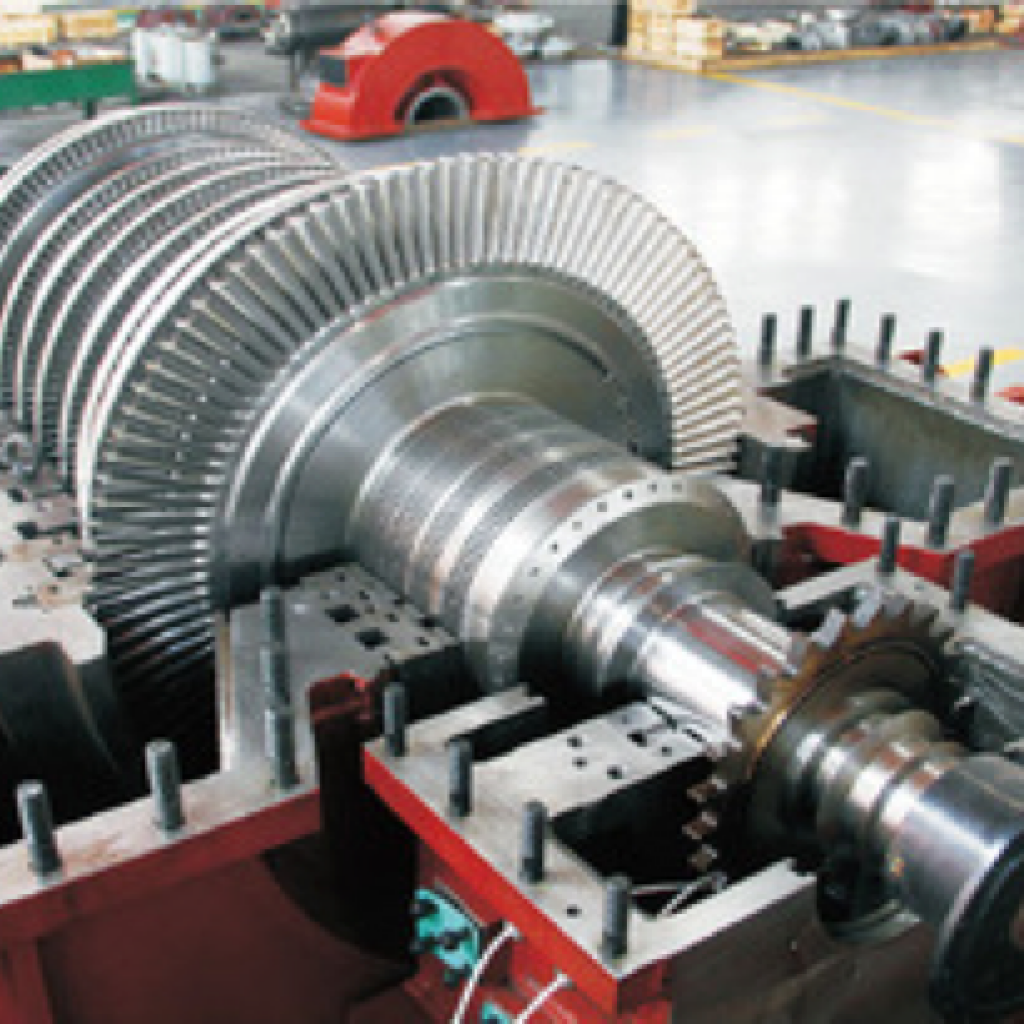
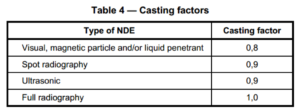
Casting surfaces shall be examined visually by the vendor as per MSS SP-55.
All forgings and bar stock for major rotating elements shall be 100 % ultrasonically inspected after rough machining
Supplier should submit the mechanical running test procedure to the purchaser 6 weeks prior to test for his review and approval.
Supplier shall notify purchaser 10 working days prior to mechanical running test for his witness.
Pressure-containing parts shall be hydrotested 1.5 times of MAWP for a minimum of 30 minutes.
If the operating temperature is different from hydrotest temperature, the hydrotest pressure shall be multiplied by the ration of material strength at the time of hydrotest divided by the strength of the material at the time of pump operation.
During mechanical running test, the contract seals and glands should be used, if this not possible, then, the contract seals and bearing shall be leak tested at least equal to MAWP prior to final assembly.
Prior to hydrotest and mechanical running test, all joints and connections shall be checked for tightness, and any leaks shall be corrected.
Due to no-load operation for extended periods of time during the test, the inlet steam conditions may need to be reduced to prevent overheating of the unit and exceeding design clearances.
The speed shall be increased to 110 % of the maximum continuous speed (just below trip speed), and the equipment shall be run for a minimum of 15 minutes at the increased speed.
Then, the speed shall be reduced to the maximum continuous speed and the equipment shall be run for 1 hour continuously.
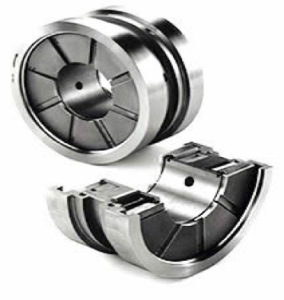
Hydrodynamic bearings shall be removed, inspected, and reassembled after the mechanical running test is completed.
Equipment shall be prepared for the type of shipment suitable for six months of outdoor storage from the time of shipment.
Flanged openings shall be provided with metal closures at least 5 mm (3/16in.) thick, with elastomer gaskets and at least four full-diameter bolts.
Threaded openings shall be provided with steel caps or round-head steel plugs. In no case shall non-metallic (such as plastic) caps or plugs be used.
Lifting points and lifting lugs shall be clearly identified on the equipment or equipment package. The recommended lifting points shall be identified on boxed equipment.
9 Vendor’s Data
During tender, vendor shall complete and forward the VDDR form to the client. Vender shall notify purchaser of any deviation.
The drawings indicated on the VDDR form (such as GA drawing, cross sectional drawing, schematics) shall be included in the proposal.
Vendor shall also note the list of components and materials used for each one (BOM or bill of material).
Vendor shall provide the guaranteed performance curves for power, flow and head.
Contract Data
Document deliverables shall be as per VDDR agreed between vendor and purchaser.
The vendor shall submit progress reports to the purchaser periodically as agreed.
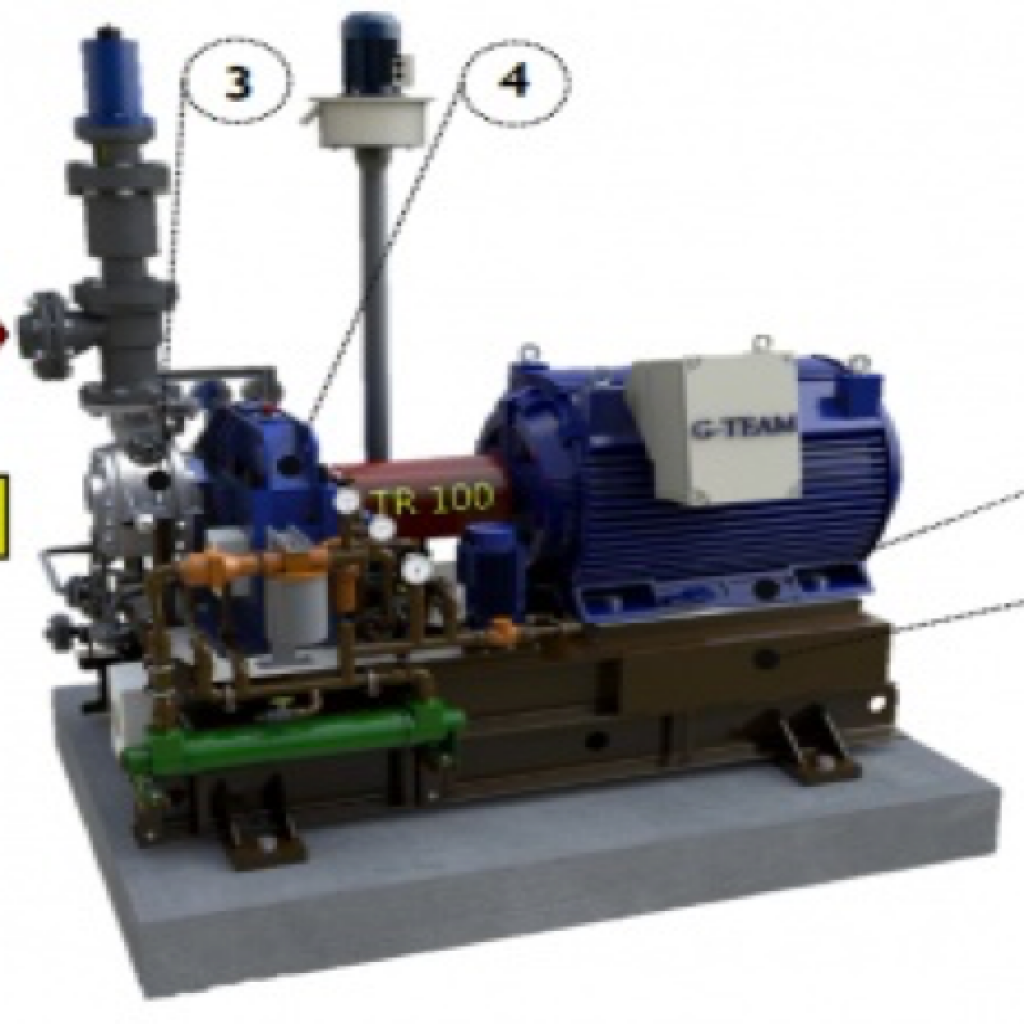
Vendor shall include Installation, Operation, Maintenance, and Technical Data Manuals with the turbine at the time of shipment.
Annex A (informative) shows typical General Purpose Steam Turbine Datasheets.
Normally the purchaser would fill in the required output (flow, power, head) and the vendor would fill the rest.
Purchaser also provides fluid composition and inspection requirement.
Data sheet should be approved by the purchaser.
Annex B (normative) explain Dynamics (Information on Rotor dynamic Analysis). You do not need to study this annex for exam purpose.
Annex C (informative) shows typical Vendor Drawing and Data Requirements. The actual package could use this typical VDDR and tailor make it to project specific requirements including any additional test, material upgrade, etc.
Annex D (normative) Lubrication System Schematic (for info only, no exam question)
Annex E (normative) shows typical Procedures for Determining Residual Unbalance; look at the work sheet.
Annex F (informative) shows typical Inspector’s Checklist. This checklist comes handy for ticking boxes while inspecting the steam turbine.
Annex G (informative) explains Steam Turbine Nomenclature.
Click to go to: