What Are the Best Resources for Planning Your API Exam Study?

What Are the Best Resources for Planning Your API Exam Study? One of the advantages of preparing for an […]
Will You Register Me for the API Examination, or Do I Need to Book It Myself?

Will You Register Me for the API Examination, or Do I Need to Book It Myself? API certification is part […]
What Factors Should You Consider When Choosing an API Training Provider?
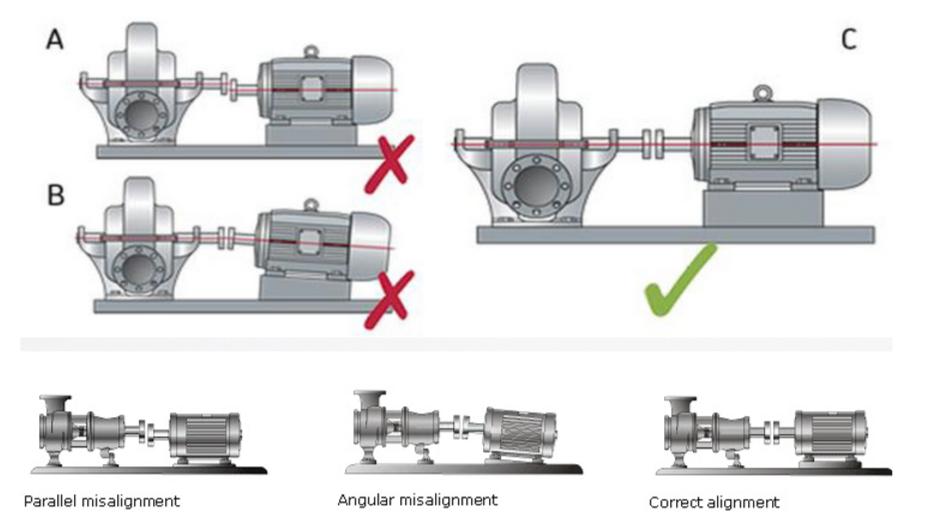
What Factors Should You Consider When Choosing an API Training Provider? Choosing the right training provider can have a […]
Are These Live Online Classes, or Self-Paced Courses?

Are These Live Online Classes, or Self-Paced Courses? Our courses are fully self-paced online preparatory training courses, allowing you to […]
How Long Does the Training Take?
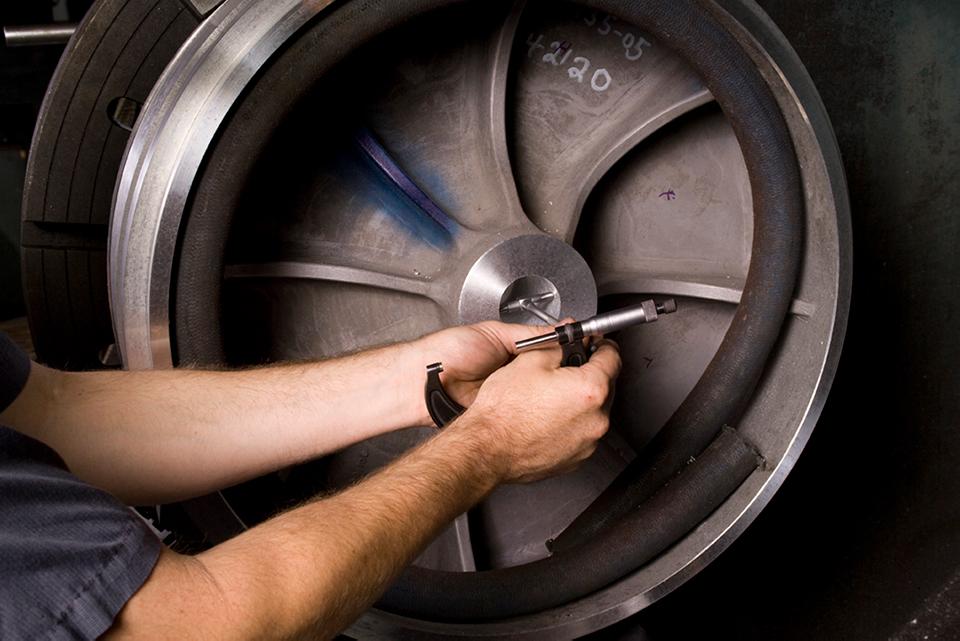
How Long Does the Training Take? The estimated duration of each course is provided in the Course Overview and is […]
Do You Issue a Certificate of Completion with CPD Credit Hours?
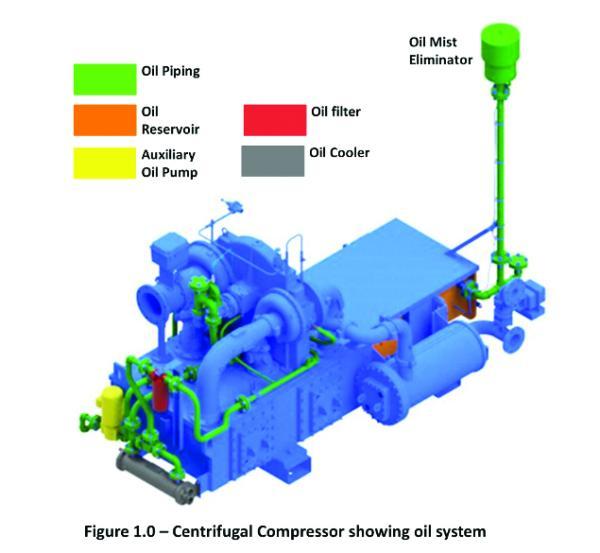
Do You Issue a Certificate of Completion with CPD Credit Hours? Yes. Upon successful completion of one of our full […]
Can You Issue an API Certification?
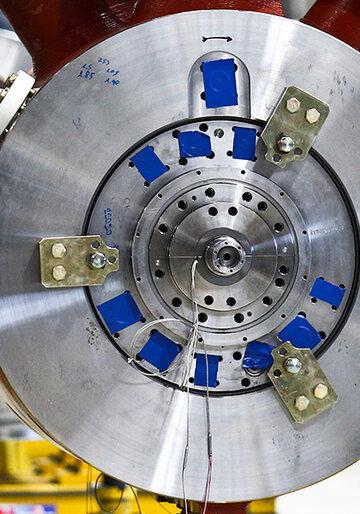
Can You Issue an API Certification? No. API certification can only be issued by the American Petroleum Institute (API). […]
API Certification, Recertification, and Fees

API Certification, Recertification, and Fees API certifications are typically valid for three years from the date of certification. The application […]
Where Can I Find the Latest Examination Information?
Where Can I Find the Latest Examination Information? For the most up-to-date information on: Number of examination questions Examination duration […]

Why Does API Include Pretest Questions? API continuously updates and improves its examination question bank. Before a new […]