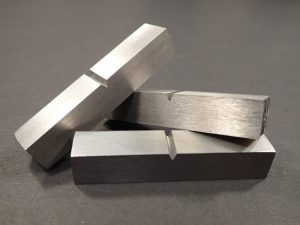
Means confirming that the construction materials proposed are the actual materials used during construction is a typical inspection activity.
The inspector should:
- Confirm the correct material type and grade.
- Confirm the origin of the material.
- Check material size and thickness.
- Verify traceability of the material to a certifying document.
- Check material chemical and mechanical properties against contractual documents.
- Check for evidence of specified heat treatment.
- Use P M I (positive Material Identification) for exotic alloy steel to ensure that correct material is used in manufacturing.
The Inspector should be aware of the potential for counterfeit materials and documents slipping into the supply chain.
Key issues to watch; include:
- Generic documentation which is not product specific
- Material or equipment containing minimal or no documentation
- Markings or logos that are questionable or obliterated
- Items that have inconsistent appearance
- Documents that have been altered
- Items that lack material traceability or product certification
- A S M E or A S T M stampings that may have been counterfeited
Mill Test Report that have been modified, corrected, or altered should be cause for immediate rejection as these could indicate the potential for the material or component being counterfeit material.
All MTRs must be legible.
[vc_separator style=”shadow” border_width=”7″]
Click below Study our free lessons and quiz:

[vc_separator style=”shadow” border_width=”7″]